
I M A I advances the ethical implementation of medical AI.






MISSION
Coordinate + Fund multidisciplinary AI research through The Hastings Center and leading research centers and hospital systems in the U.S. and internationally.
Provide Consultation and assistance for the delivery of care implementation of new AI tools developed by IMAI affiliates.
Benchmark + Research the efficacy, ethics, and economics of new Medical AI tools.
Develop Best Practices to facilitate AI implementation in hospitals, both in their clinical and regulatory aspects.
LEADERSHIP
+ FOUNDING ADVISORS
IMAI Founding Co-Director
IMAI Founding Co-Director
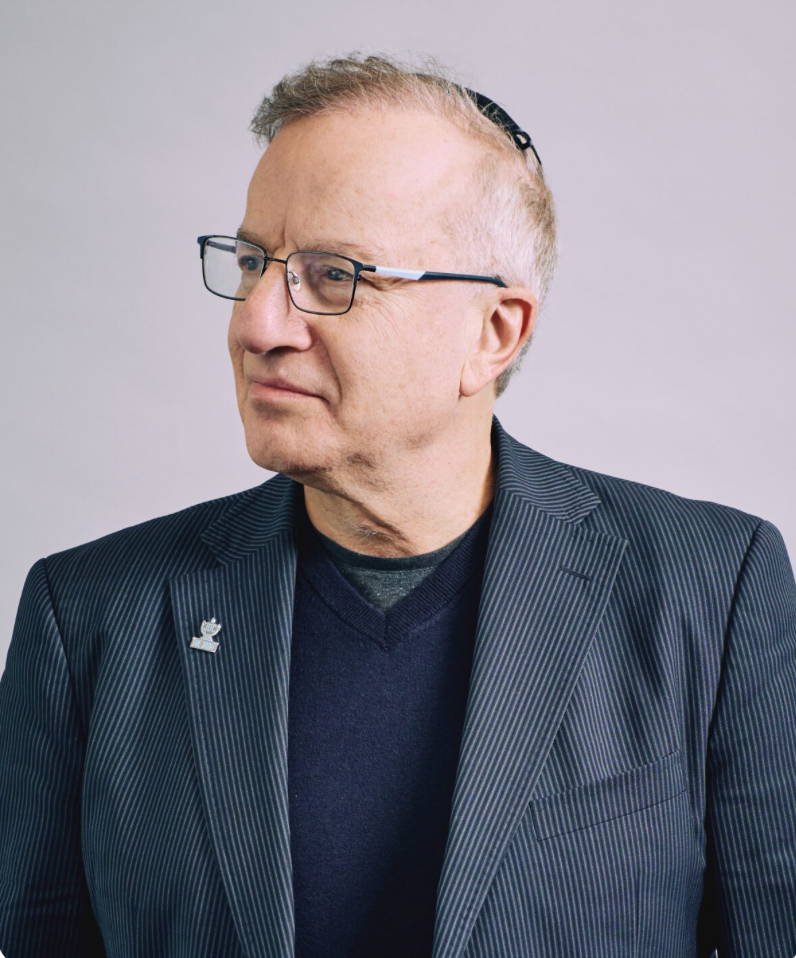
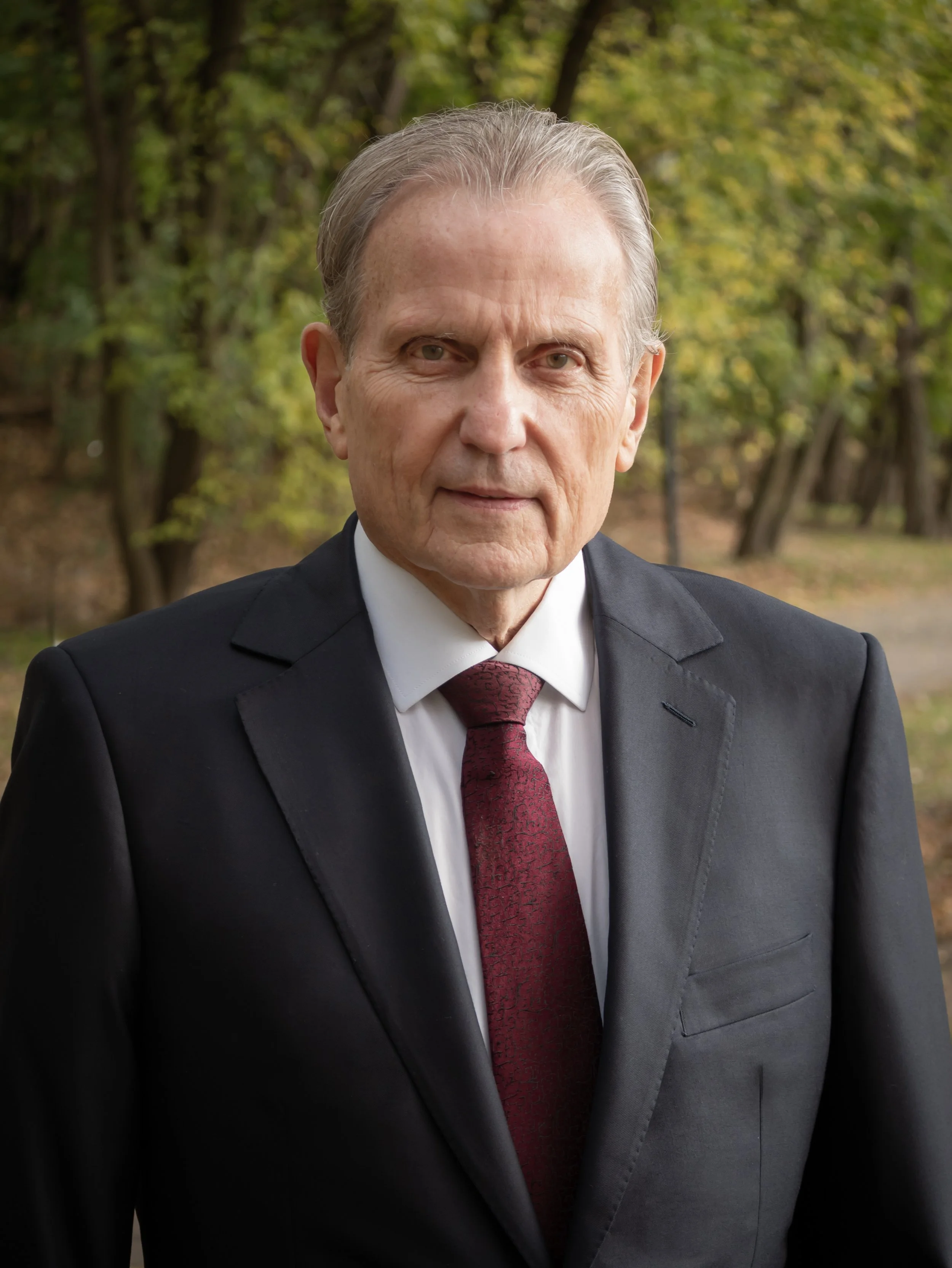
Vardit Ravitsky, PhD
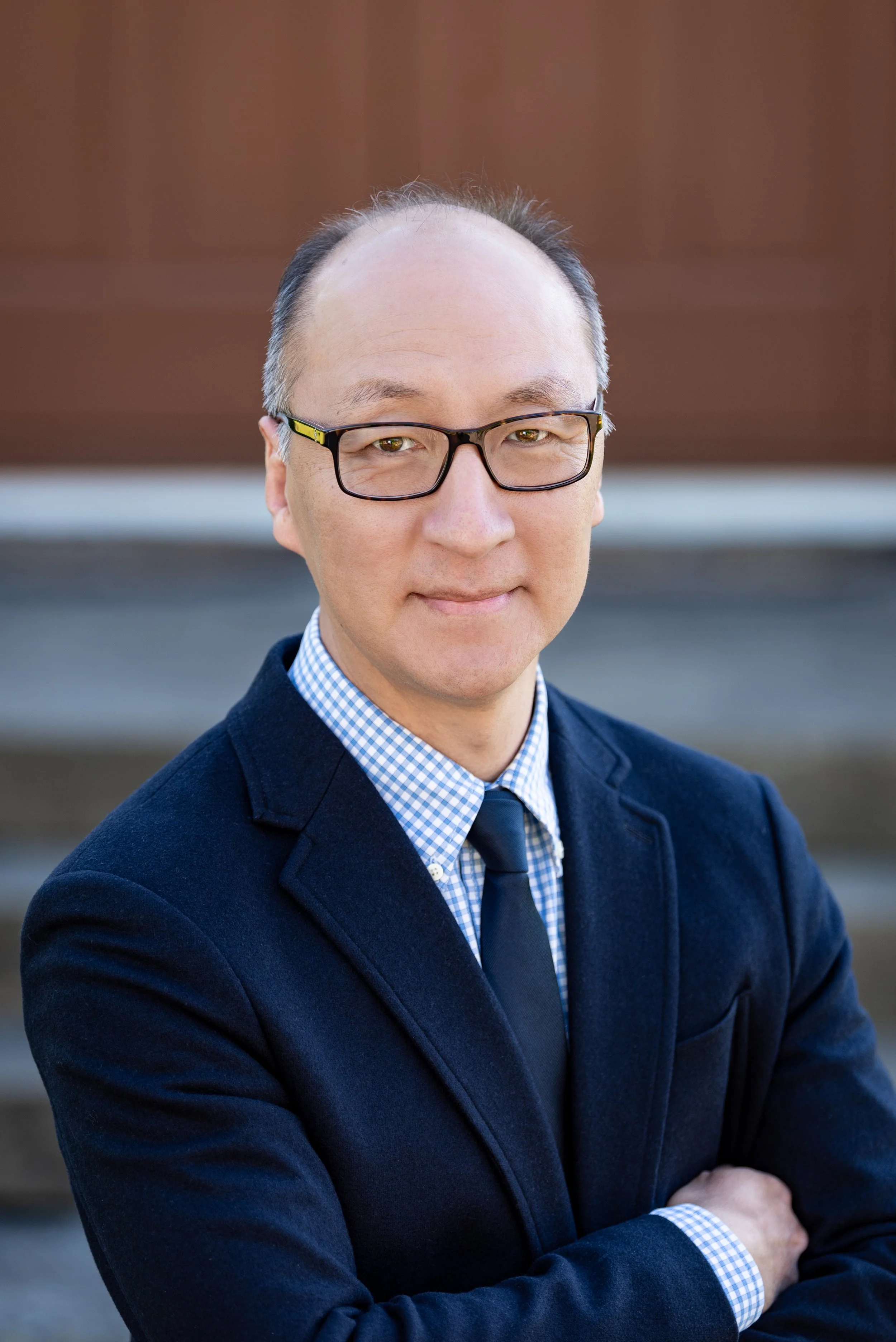
Isaac (Zac) Kohane, MD, PhD
-
Vardit Ravitsky is President and CEO of the Hastings Center, an independent, nonpartisan bioethics research institute that is among the most prestigious bioethics and health policy institutes in the world. She is a Senior Lecturer on Global Health and Social Medicine at Harvard Medical School. Previously, she was a Full Professor at the Bioethics Program, School of Public Health, University of Montreal. She is Past-President of the International Association of Bioethics, and a Fellow of the Canadian Academy of Health Sciences and of The Hastings Center for bioethics.
Ravitsky’s research focuses on the ethics of genomics and reproduction, as well as the ethics and governance of health AI. She is particularly interested in the various ways in which cultural frameworks shape public debate and public policy around bioethical issues. Her work has been funded by Canada’s national and provincial funding agencies and is currently funded by the NIH and by leading Foundations. She has published over 250 articles and commentaries on bioethical issues and has given over 300 talks world-wide and over 400 media interviews.
Her research covers a variety of topics such as public funding of In-Vitro Fertilization; the use of surplus frozen embryos; posthumous reproduction; genetic testing of in-vitro embryos; gamete donation; prenatal testing; germline and somatic gene editing; mitochondrial replacement; and the use of Artificial Intelligence in biomedical research and healthcare. She has been engaged in research and policy regarding pandemic ethics and was heavily involved in public outreach during COVID-19.
Ravitsky is a Principal Investigator on two Bridge2AI research projects funded by the National Institutes of Health that expand the use of AI in biomedical and behavioral research. She served on the steering committee of the National Academy of Medicine (NAM) to develop an Artificial Intelligence Code of Conduct (AICC).
Ravitsky holds a BA from the Sorbonne University in Paris, an MA from the University of New Mexico in the US, and a PhD from Bar-Ilan University in Israel. Previously, she was Fellow at the Department of Bioethics at the NIH and faculty at the Department of Medical Ethics, School of Medicine, at the University of Pennsylvania. She was also a Senior Policy Advisor at CIHR’s Ethics Office and a consultant to Genome Canada on Ethical, Economic, Environmental, Legal and Social aspects of Genomics Research (GE3LS).
-
Isaac (Zak) Kohane, MD, PhD is the inaugural Chair of the Department of Biomedical Informatics and the Marion V. Nelson Professor of Biomedical Informatics at Harvard Medical School. He served as co-author of the Institute of Medicine Report on Precision Medicine that has been the template for national efforts. He develops and applies computational techniques to address disease at multiple scales: from whole healthcare systems as “living laboratories” to the functional genomics of neurodevelopment with a focus on autism.
Over the last 30 years, Kohane’s research agenda has been driven by the vision of what biomedical researchers could do to find new cures, provide new diagnoses and deliver the best care available if data could be converted more rapidly to knowledge and knowledge to practice. In so doing, he has designed and led multiple internationally adopted efforts to “instrument” the healthcare enterprise for discovery and to enable innovative decision-making tools to be applied to the point of care. At the same time, the new insights afforded by ’omic-scale molecular analyses have inspired him and his collaborators to work on re-characterizing and reclassifying diseases such as autism, rheumatoid arthritis and cancers. In many of these studies, the developmental trajectories of thousands of genes have been a powerful tool in unraveling complex diseases.
In 1987, Kohane earned his MD/PhD from Boston University and then completed his post-doctoral work at Boston Children’s Hospital, where he has since worked as a pediatric endocrinologist. He joined the faculty at Harvard Medical School in 1992, serving as Director of Countway Library from 2005 to 2015 and as Co-Director of the Center for Biomedical Informatics during the same period, before it became the Department of Biomedical Informatics in July 2015. He is a member of the Institute of Medicine and the American Society for Clinical Investigation. Kohane has published several hundred papers in the medical literature and authored the widely-used books Microarrays for an Integrative Genomics (2003) and The AI Revolution in Medicine: GPT-4 and Beyond (2023).
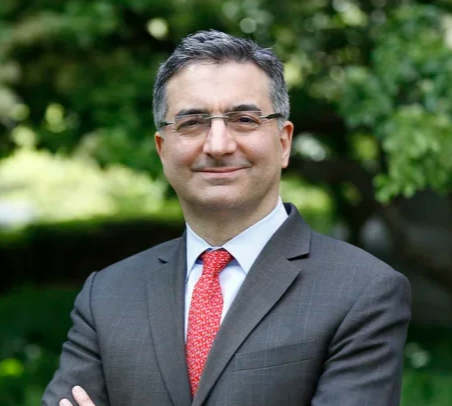

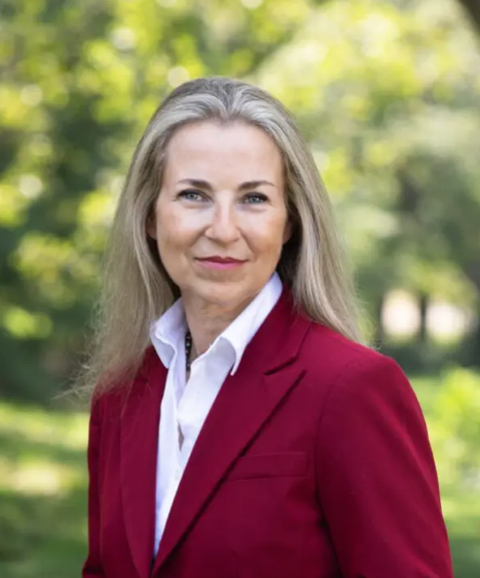
Robert Klitzman, MD
Sankalpa Ghose
-
Robert Klitzman, M.D., is a professor of psychiatry at the College of Physicians and Surgeons and the Joseph Mailman School of Public Health, and the Program Director of the Master of Science in Bioethics at Columbia University. He co-founded and for five years co-directed the Columbia University Center for Bioethics, and directed the Ethics and Policy Core of the HIV Center for 10 years. He has published over 180 scientific journal articles, nine books, and numerous chapters on critical issues in bioethics including genetics, neuroethics, HIV prevention, research ethics, and doctor-patient relationships. Klitzman has received numerous awards for his work, including fellowships from the John Simon Guggenheim Foundation, the Russell Sage Foundation, the Commonwealth Fund, the Aaron Diamond Foundation, and the Rockefeller Foundation. He is a member of the Empire State Stem Cell Commission and served on the U.S. Department of Defense’s Research Ethics Advisory Panel. He is a Distinguished Fellow of the American Psychiatric Association, a member of the Council on Foreign Relations, and a regular contributor to the New York Times and CNN. Klitzman was selected to serve as the Faculty Speaker for the SPS Graduation, afternoon ceremony, for the Class of 2022 on May 13, 2022.
-
Sankalpa Ghose is a biomedical engineer and bioethicist whose works spans medical artificial intelligence, bioethics, and global health systems.
He is a PhD candidate and President's Graduate Fellow at the Centre for Biomedical Ethics, National University of Singapore, where his research focuses on normative guidance systems, clinical decision pathways, moral patiency, incapacitated subjects, representative agents, and product-led philosophy.
Sankalpa is the founder and Executive Director of OpenTelemed.org, a nonprofit dedicated to humanitarian medical referral and consultation in cases of need around the world. He was part of the first team to deploy mobile telemedicine in global health settings. He was also Biomedical Fellow at the Center for Contemporary Sciences, with a focus on New Approach Methodologies (NAMs) in biomedical research.
In addition, Sankalpa is the founder of An Art Company, an augmented reality and visual arts studio, and co-founder of Like A Dog, a veterinary medical community health organization in Kolkata, India.
His interdisciplinary practice has produced projects with leading philosophers, artists, and institutions, including Peter Singer, William Kentridge, Marina Abramović, Insoo Hyun, Pipilotti Rist, the Royal Academy of Arts, and the Museum of Contemporary Arts.
In 2026, he led the production of a digital work commissioned for the new terminal at Pittsburgh International Airport; as well led research on topics including Doing Ethics with AI , Estimating Willingess-to-Pay with LLMs, and Computational Assessment of Scientific Justification Across Biomedical Research Lifecycles; and was also commissioned to the write the "Computational Bioethics” chapter for an upcoming academic handbook surveying digital and computational methods of bioethics.
Sankalpa is a graduate of Columbia University and lives between India and the United States.
Frank C. Schuller, MBA, PhD
Insoo Hyun, MA, PhD
& Senior Researcher, The Hastings Center for Bioethics
Collaborative Researcher,
Dept of Biomedical Informatics, Harvard Medical School
Director of Economic & Implementation Research, Jameel Clinic for Machine Learning in Health, MIT
& Senior Researcher, The Hastings Center for Bioethics
Affiliate, Center for Bioethics, Harvard Medical School
Visiting Professor, Yong Loo Lin School of Medicine, National University of Singapore
-
Dr. Frank C. Schuller has been undertaking research for the past several years on the implementation of clinical AI with the Jameel Clinic for Machine Learning in Health at MIT. His research has concentrated on impediments to adoption of AI technology in hospitals and healthcare centers. This research is an outgrowth of his research on surgical innovation at the John Radcliffe Hospital in Oxford, England and his previous investigations into the innovation process and its evolution from a scientific invention to a commercial product or service. Dr. Schuller’s research examines economics with inherent ethical considerations of AI applications in healthcare systems in the United States and abroad.
As an economist, Dr. Schuller has published several articles on the implementation of clinical AI in hospitals in the United States and in countries around the world. His articles include economic analyses of AI applications that screen and predict the likelihood of a patient contracting cancer and the ethical implications of integrating medical AI into medical institutions. He has also written articles on strategic analysis for corporate strategy using clustering, an unsupervised AI algorithm. In supervising graduate students in economics, he has developed mathematical formulae with logistic regression to assess probabilities from disparate distributions.
Dr. Schuller received an MBA and a doctorate from Harvard University, where he taught in the Business School and in the Kennedy School of Government as a director of the Energy and Environmental Policy Centre.
-
Insoo Hyun, PhD, has held several appointments at Harvard Medical School, where he was Director of Research Ethics, a faculty member in the Center for Bioethics, and Senior Lecturer in the Department of Global Health and Social Medicine. Previously, Dr. Hyun was Professor of Bioethics and Philosophy at Case Western Reserve University School of Medicine in Cleveland, Ohio, where he taught undergraduate, graduate, and medical students for over 18 years. He is a Hastings Center Fellow.
Dr. Hyun’s research interests include stem cell ethics and policy, the clinical translation and implementation of emerging technologies such as medical AI and bioengineering, and new strategies for community and stakeholder engagement. Since 2005, Dr. Hyun has been heavily involved with the International Society for Stem Cell Research (ISSCR), helping to draft every version of the ISSCR’s international research guidelines and serving twice as Chair of the ISSCR Ethics Committee.
Dr. Hyun received his BA and MA in Philosophy with Honors in Ethics in Society from Stanford University and his PhD in Philosophy from Brown University. He has been interviewed frequently on National Public Radio and has served on national commissions for the National Academies of Science, Engineering, and Medicine in Washington D.C. He is a regular contributor to Nature, Science, Cell Stem Cell and an editorial board member of the Journal of Medical Artificial Intelligence. He is the author and editor of several books, including Bioethics and the Future of Stem Cell Research, published by Cambridge University Press.
Chair, Department of Biomedical Informatics & Marion V. Nelson Professor of Biomedical Informatics, Harvard Medical School
Editor-in-Chief, New England Journal of Medicine AI
President & CEO,
The Hastings Center for Bioethics
Founder, OpenTelemed.org & President’s Graduate Fellow, Centre for Biomedical Ethics, National University of Singapore
Program Director, Bioethics, &
Professor of Psychiatry,
Columbia University Irving Medical Center
RESEARCH & POLICY
-
Mirai is a state-of-the-art deep learning-based algorithm model that produces a personalized risk score up to 5 years in advance by analyzing a patient’s mammogram, outperforming standard clinical risk models and ensuring that cancer can be detected early.
Mirai has been validated extensively on mammograms from patients all over the world.
Accurate risk assessment is essential for successful screening programs in breast cancer. Models with high sensitivity and specificity would enable programs to target more elaborate screening efforts to high-risk populations, while minimizing overtreatment for the rest. Artificial intelligence (AI)-based risk models have demonstrated a significant advance over risk models used today in clinical practice.
Through extensive research, Mirai maintained its accuracy across globally diverse test sets from seven hospitals across five countries. This is the broadest validation to date of an AI-based breast cancer model and suggests that the technology can offer broad and equitable improvements in care.
-
Breast cancer is the #1 most common cancer in women worldwide. Half of breast cancers develop in women who have no identifiable risk factors other than gender and age. Every person has the right to know their risk of developing cancer.
Mirai is a state-of-the-art deep learning-based algorithm model that produces a personalized risk score up to 5 years in advance just by analyzing a patient’s mammogram, outperforming standard clinical risk models and ensuring that cancer can be detected early. Mirai has been validated extensively on mammograms from patients all over the world.
Accurate risk assessment is essential for successful screening programs in breast cancer. Models with high sensitivity and specificity would enable programs to target more elaborate screening efforts to high-risk populations, while minimizing overtreatment for the rest. Artificial intelligence (AI)-based risk models have demonstrated a significant advance over risk models used today in clinical practice.
Through extensive research, Mirai maintained its accuracy across globally diverse test sets from seven hospitals across five countries. This is the broadest validation to date of an AI-based breast cancer model and suggests that the technology can offer broad and equitable improvements in care.
Sybil
Lung cancer is the leading cause of cancer death around the world and low-dose chest computed tomography (LDCT) is recommended to screen people between 50 and 80 years old who have a significant history of smoking or currently smoke.
Lung cancer screening with LDCT has been shown to reduce deaths from lung cancer by up to 24 percent, but as rates of lung cancer climb among nonsmokers, new strategies are needed to screen and accurately predict lung cancer risk across a wider population.
Sybil is a deep learning model that accurately predicts a patient’s risk of lung cancer up to six years in advance from analyzing a low-dose CT scan, ensuring that lung cancer is detected in its earliest stages. Sybil's accuracy has been validated across multiple retrospective datasets and real-world cohorts through 2025 and early 2026, demonstrating its ability to predict lung cancer risk with high precision.
Contact
For inquiries about IMAI and IMAI research projects and collaborations, please write to contact@imaihealth.org, or fill out the form below.