
MIRAI
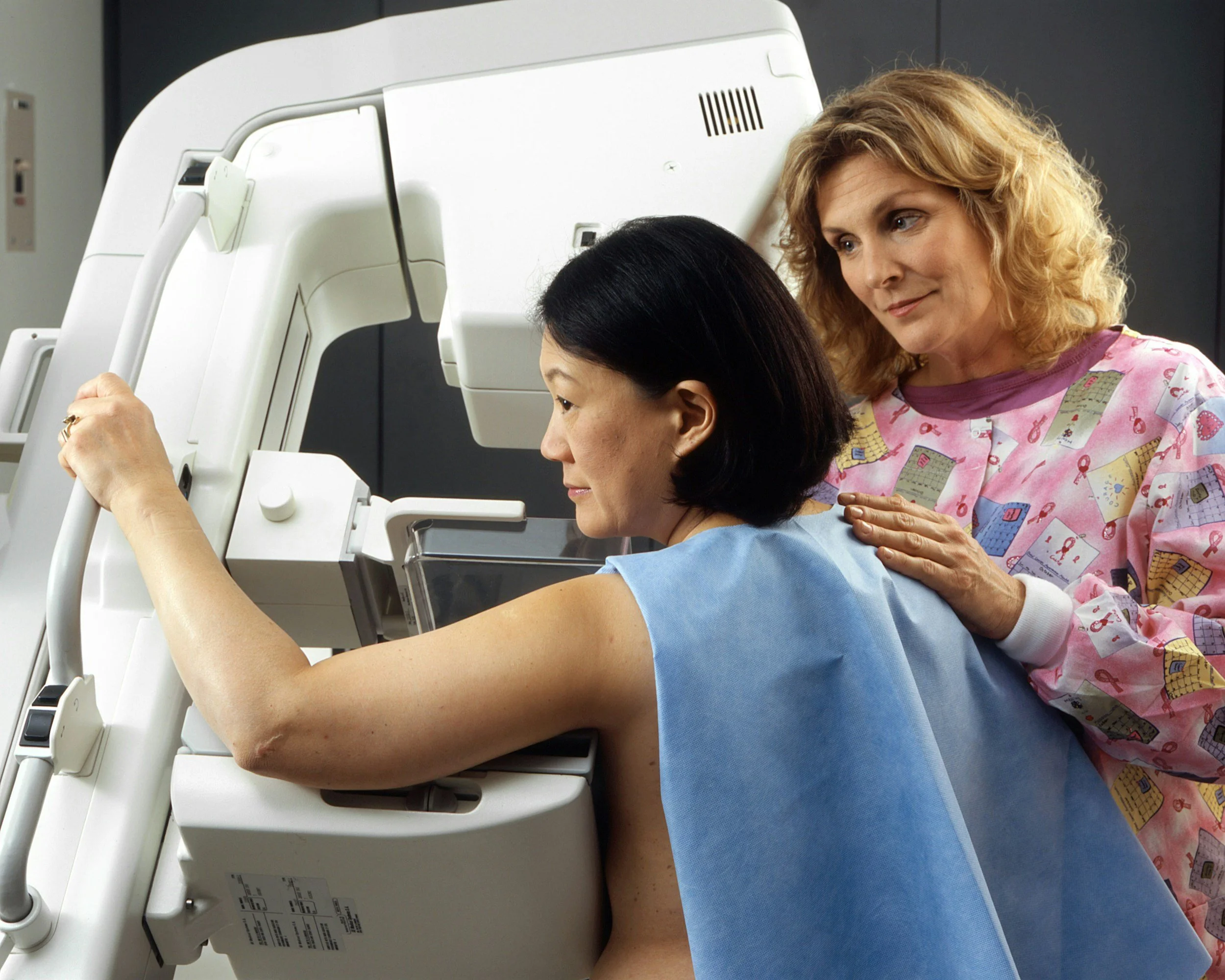
Breast cancer is the #1 most common cancer in women worldwide. Half of breast cancers develop in women who have no identifiable risk factors other than gender and age. Every person has the right to know their risk of developing cancer.
Mirai is a state-of-the-art deep learning-based algorithm model that produces a personalized risk score up to 5 years in advance just by analyzing a patient’s mammogram, outperforming standard clinical risk models and ensuring that cancer can be detected early. Mirai has been validated extensively on mammograms from patients all over the world.
Accurate risk assessment is essential for successful screening programs in breast cancer. Models with high sensitivity and specificity would enable programs to target more elaborate screening efforts to high-risk populations, while minimizing overtreatment for the rest. Artificial intelligence (AI)-based risk models have demonstrated a significant advance over risk models used today in clinical practice.
Through extensive research, Mirai maintained its accuracy across globally diverse test sets from seven hospitals across five countries. This is the broadest validation to date of an AI-based breast cancer model and suggests that the technology can offer broad and equitable improvements in care.
Sybil
Lung cancer is the leading cause of cancer death around the world and low-dose chest computed tomography (LDCT) is recommended to screen people between 50 and 80 years old who have a significant history of smoking or currently smoke.
Lung cancer screening with LDCT has been shown to reduce deaths from lung cancer by up to 24 percent, but as rates of lung cancer climb among nonsmokers, new strategies are needed to screen and accurately predict lung cancer risk across a wider population.
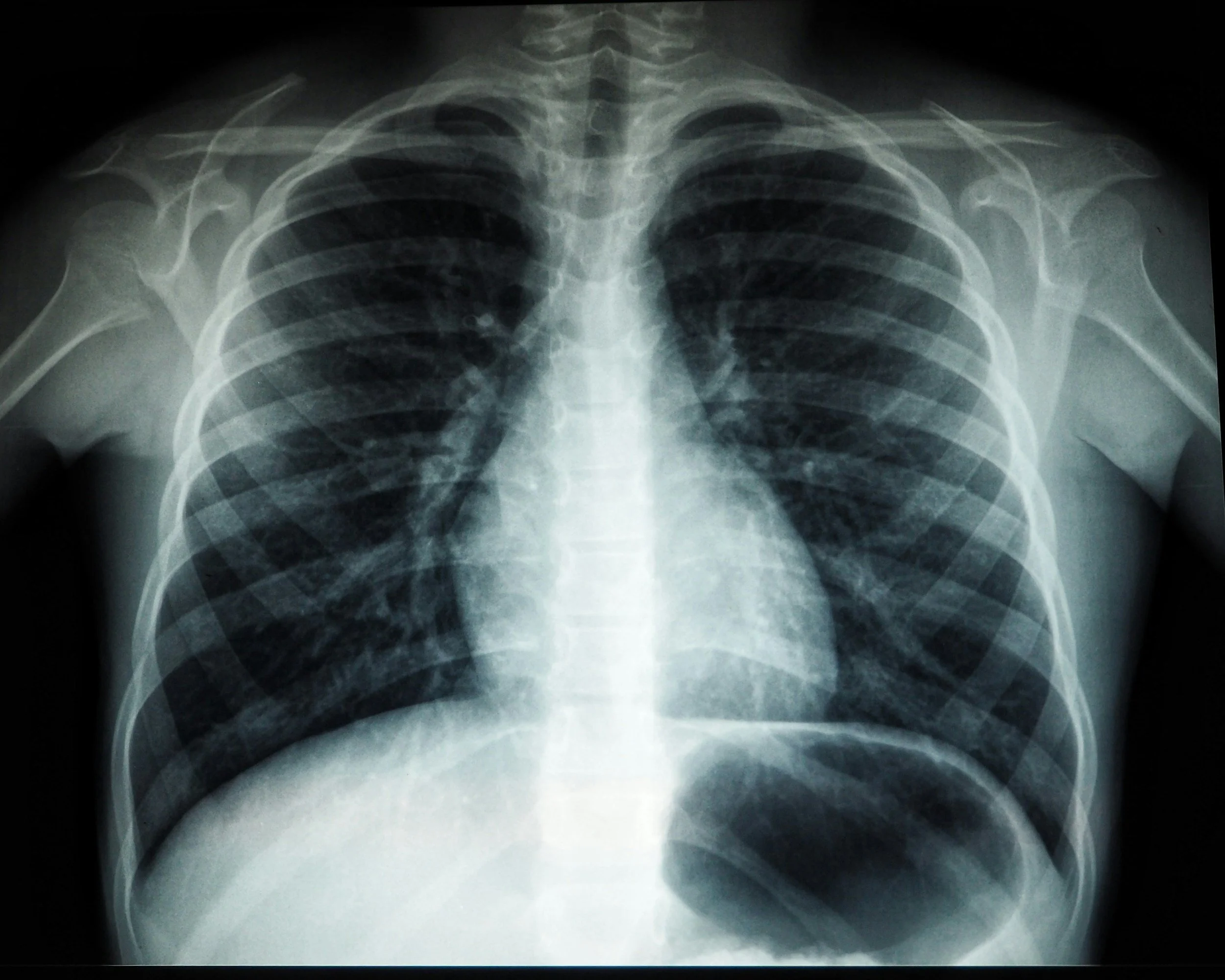
Sybil is a deep learning model that accurately predicts a patient’s risk of lung cancer up to six years in advance from analyzing a low-dose CT scan, ensuring that lung cancer is detected in its earliest stages. Sybil's accuracy has been validated across multiple retrospective datasets and real-world cohorts through 2025 and early 2026, demonstrating its ability to predict lung cancer risk with high precision.